
Guidelines for Decorative Lawns in Non-Residential Areas
Under a California state conservation law (Assembly Bill 1572), the use of potable (drinking) water to irrigate non-functional turf (NFT) is being phased out for commercial, industrial and institutional (CII) sites, including homeowner association (HOA) common areas. “Nonfunctional turf” refers to mowed grass that serves purely decorative purposes and is not in a recreational use area or in a community space. The ban will be implemented in phases by property type starting in 2027 and is meant to reduce water waste and promote more sustainable landscapes.
Compliance timeline:
The use of potable water to irrigate non-functional turf is prohibited as of the following dates:
Jan. 1, 2027 – Public agency and local government sites
Jan. 1, 2028 – Commercial, industrial and institutional properties
Jan. 1, 2029 – HOA common areas
Jan. 1, 2031 – Local government properties in disadvantaged communities (DAC)
NOTE: AB 1572 does not require non-functional turf to be removed or replaced by a specific date, only to stop irrigation with potable water.
Functional vs. non-functional turf
The ban does not include irrigation of “functional turf,” defined as grass located in a recreational use area or community space.
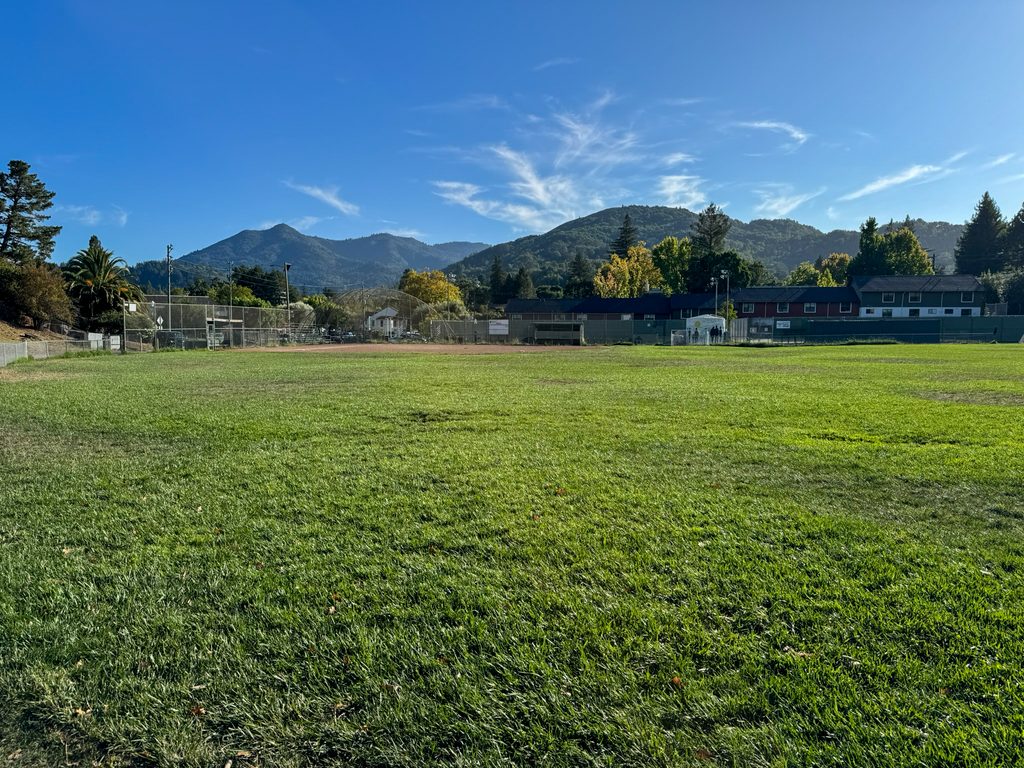
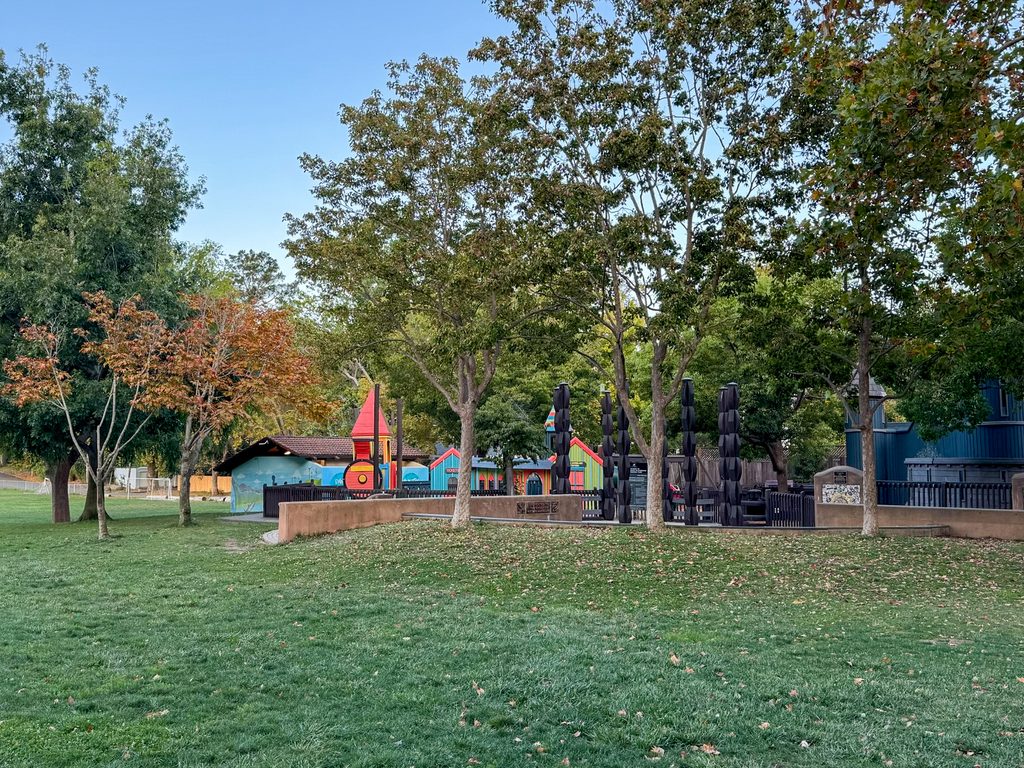
Examples of functional turf include:
- Spaces where people regularly gather, play, or participate in outdoor activities such as picnic areas and playgrounds.
- Soccer fields, baseball diamonds and similar athletic facilities
- Places such as cemeteries and golf courses, where turf is an integral part of the site’s intended use
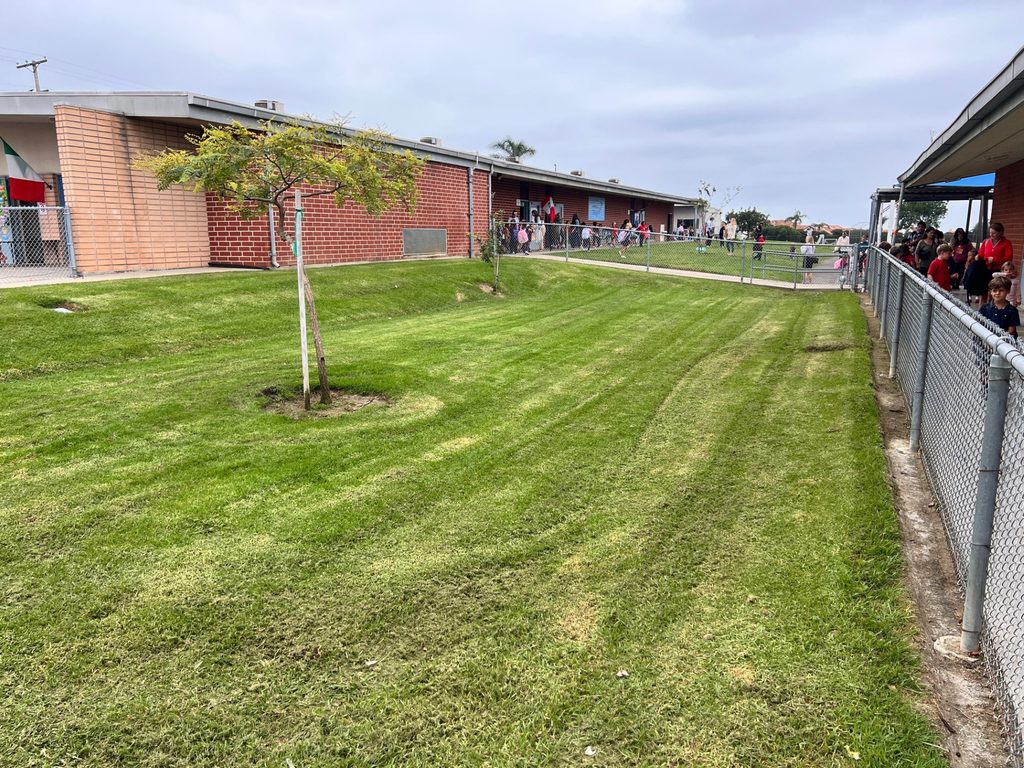
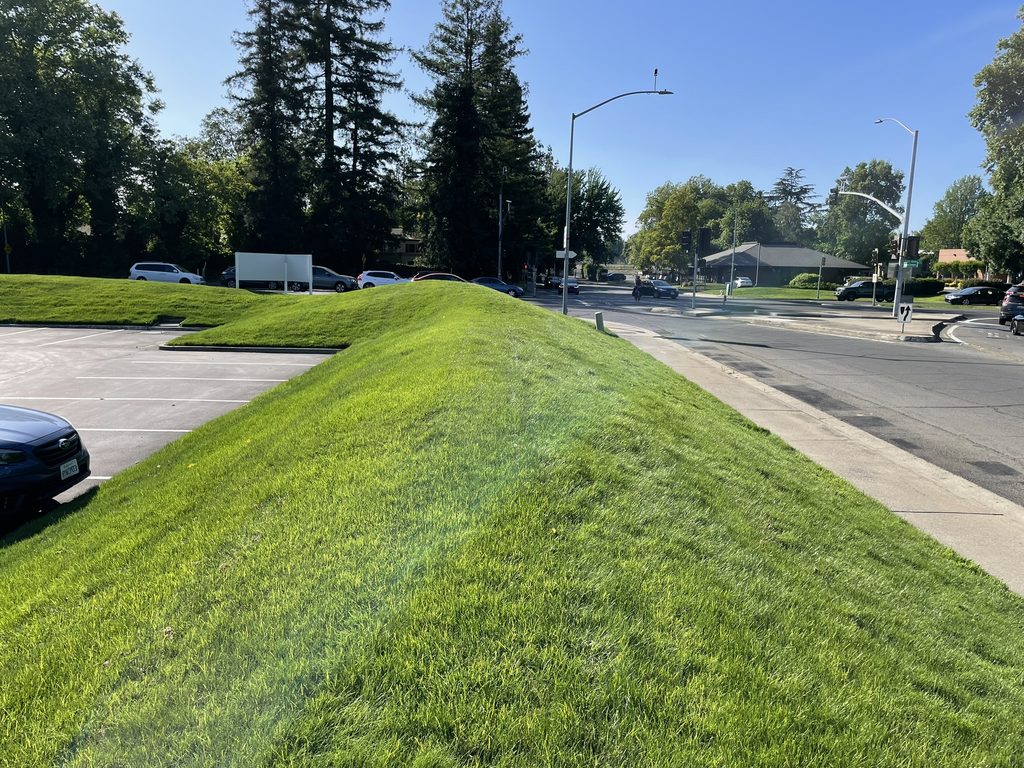
Examples of non-functional turf include:
- Decorative turf located along streets, sidewalks, and parking lots
- Decorative grass in front of, between, behind, or otherwise adjacent to a building or buildings on a non-residential property
- Grass owned or managed by a homeowner association that does not provide a recreational benefit to the community or that otherwise does not qualify as functional turf
Act now
Do you own or manage commercial, industrial, institutional or HOA property? Follow these steps to prepare for compliance with AB 1572 and use more sustainable landscaping practices.
Step 1: Determine the types of turf on your property (functional vs. non-functional).
Step 2: Start planning turf conversion projects. Marin Water customers who transform their landscape may be eligible for a rebate to offset conversion costs through our Cash for Grass Program.
Step 3: Stop irrigating your non-functional turf by compliance deadlines.
Marin Water has resources to help:
Local restrictions
To prevent future water waste, Marin Water prohibits the use of its water for irrigating any new ornamental lawn in commercial and municipal landscapes. This prohibition, codified as Ordinance No. 459, applies only to new and rehabilitated commercial and municipal areas, and not to residential properties or recreational areas. This ordinance also incorporates state water rules, including the phased prohibition of the use of potable water to irrigate non-functional turf.
Frequently Asked Questions
State rules
What is non-functional turf (NFT)?
Non-functional turf refers to irrigated lawn that is ornamental or decorative, and not used for recreation or public gatherings. Some examples include:
- Decorative lawn along sidewalks, building edges, or fences
- Unused patches near signage or building entries
- Lawn in medians, roundabouts, parking lots, or entry signage zones
- Sloped lawn areas
What is functional turf?
Functional turf refers to irrigated lawns at commercial or institutional properties that are used for recreation or public gatherings. Examples include:
- Spaces where people regularly gather, play, or participate in outdoor activities such as picnic areas and playgrounds.
- Soccer fields, baseball diamonds, and similar athletic facilities
- Places such as cemeteries and golf courses, where turf is an integral part of the site’s intended use
What property types are affected?
Properties subject to the ban on potable irrigation of non-functional turf include:
- Schools
- City-owned properties
- Shopping centers
- Businesses
- HOA common areas
What property types are not affected?
The state prohibition only applies to CII properties and homeowner’s associations common areas. It does not apply to single-family residents or the turf located within private residential portions of HOA and multi-family properties. Some examples of property and lawn types exempt from the ban:
- Residential lawns
- Cemeteries
- Sports fields
- Areas regularly used for civic or community events
- Areas that ensure the health of trees and other perennial non-turf plantings
- For immediate health, safety, sanitation, and fire protection
Does the non-functional turf irrigation prohibition apply to residential properties?
No. This ban does not apply to residential properties.
Does the ban include the use of recycled water?
No. The ban does not prohibit the use of recycled water for irrigating non-functional turf.
Can trees in non-functional turf areas be irrigated with potable water?
Trees and other perennials that are planted in non-functional turf areas are exempt from the ban. If these plants share an irrigation zone with the non-functional turf, you may continue watering that area to ensure trees receive the water they need.
The surrounding NFT remains subject to the watering prohibition if it does not depend on that irrigation. The smart practice is to convert trees from spray to their own dedicated drip irrigation.
Learn more about caring for trees:
Can I make non-functional turf functional?
Turf must be regularly and beneficially used for recreation or community activities to qualify as functional. Planting trees, adding other landscaping, adding benches, etc., does not, by itself, make turf functional.
What are the benefits of replacing NFT with climate-resilient and drought-tolerant landscapes?
- Earn a rebate through Marin Water’s Cash for Grass program.
- Save money over time through lower water bills.
- Save water. Lawns use four times as much water as climate appropriate shrubs and perennials.
- Create a more drought-resilient landscape adapted to our Mediterranean climate.
- Help preserve California’s precious water resources for a sustainable, resilient and water-efficient future.
Who determines if my property has non-functional turf?
The State of California has provided each water utility a list of sites deemed to have non-functional turf. Marin Water has contacted the properties identified by the state. Properties with more than 5,000 square feet of irrigated functional turf must self-certify their compliance to the State Water Board every three years. Upcoming self-certification deadlines:
- CII Properties: Starting June 30, 2030
- HOAs: Starting June 30, 2031
Note: Compliance certification will be completed via a Compliance Certification Form on the State Water Resources Control Board website.
What happens if a property does not comply?
Sites that continue to irrigate non-functional turf would be subject to enforcement action related to Marin Water’s rules and regulations surrounding water waste.
Local rules
Why does Marin Water have local NFT rules?
Marin Water hopes to discourage new installations of purely decorative grass around business complexes and in street medians by restricting use of potable and recycled water supplies for grass care and maintenance. The District has identified non-functional turf as a key area of opportunity where greater water savings can be achieved to preserve the District’s supplies for other more beneficial uses. In addition, AB1572 requires local agencies to adopt rules prohibiting the irrigation of non-functional turf with potable water. Along with incorporating state rules around NFT into District code, Marin Water has adopted the following local NFT rule: No new NFT, including at any rehabilitated site going through the District’s Landscape Plan Review Process.
What types of commercial and municipal landscapes does the local prohibition apply to?
The local rule applies to new and rehabilitated landscapes that require plan review by the District. Projects required to undergo landscape plan review include new construction projects with landscape areas of 500 square feet or more, and rehabilitated landscape projects of 1,000 square feet or more.
Resources
What recommended water-efficient landscape alternatives should I consider?
- For guidance on designing and selecting plants for your landscape project, visit our WaterSmart Gardening Resource Center.
- For guidance on maintaining tree health after non-functional turf removal, review the Sonoma-Marin Saving Water Partnership’s Tree Health Brochure.
- Customers who transform their lawns into water-saving landscapes may be eligible for a rebate to offset conversion costs through Marin Water’s Cash for Grass program.
- For additional information and resources, visit the California Water Efficiency Partnership (CalWEP) non-functional turf information site.